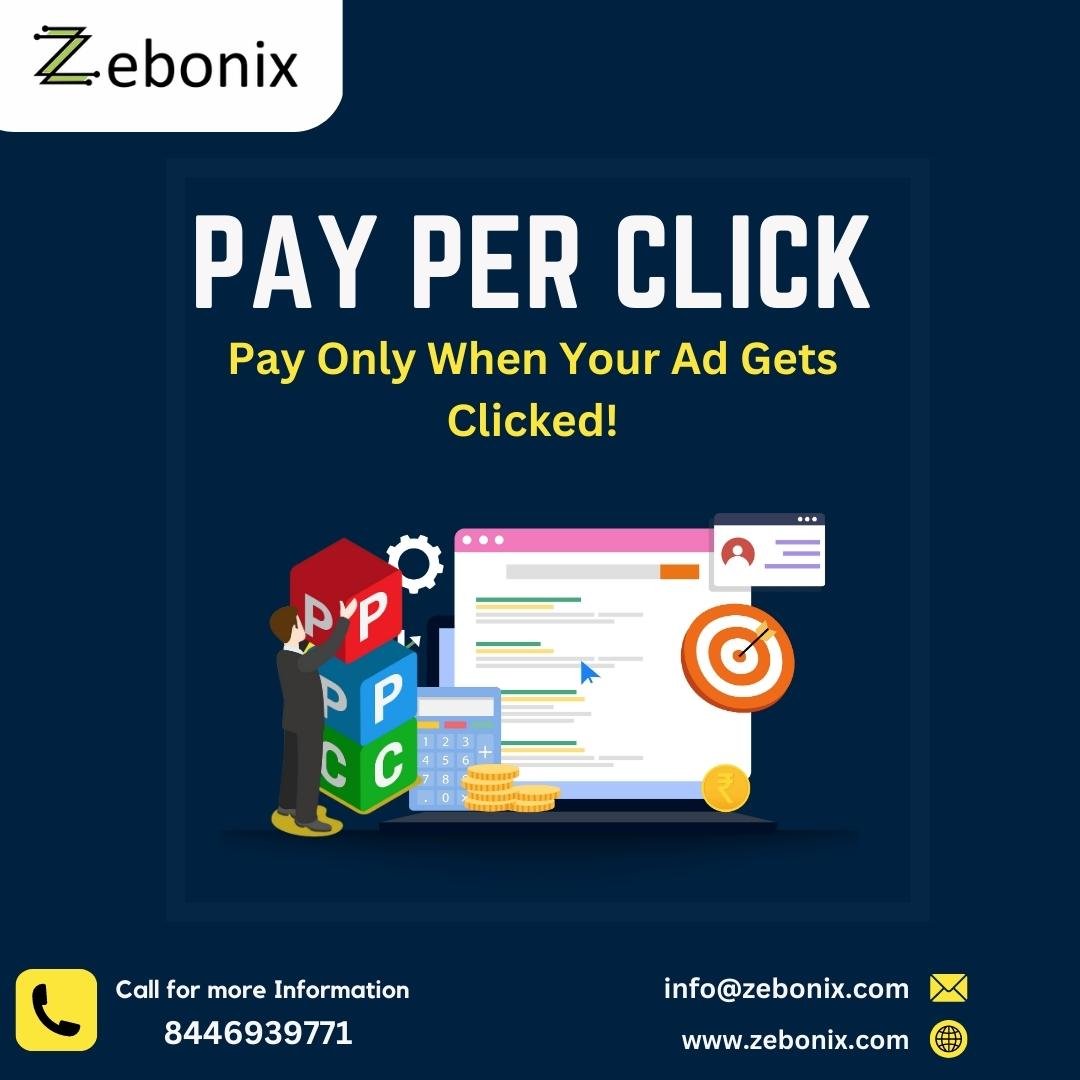
Pay-per-click (PPC) advertising is a popular digital marketing strategy that helps businesses drive targeted traffic to their website by paying for clicks on their ads. It’s a highly effective way to reach potential customers, boost brand awareness, and drive sales. In this blog post, we’ll explore the basics of PPC advertising, how it works, and the benefits it can provide to businesses.
What is Pay-Per-Click Advertising?
PPC advertising is an online advertising model in which advertisers pay each time a user clicks on one of their ads. Advertisers bid on specific keywords or phrases that are relevant to their target audience, and the ads are displayed on search engine results pages (SERPs) and other relevant websites. When a user clicks on an ad, the advertiser pays the search engine or website a predetermined amount, which can range from a few cents to several dollars.
How Does PPC Advertising Work?
PPC advertising works by using a bidding system to determine which ads will be displayed to users. Advertisers bid on specific keywords or phrases that are relevant to their target audience. The highest bidder for a given keyword or phrase will have their ad displayed at the top of the SERP, while lower bidders will have their ads displayed further down.
When a user enters a search query, the search engine algorithm determines which ads are most relevant to the user’s query and displays them on the SERP. If a user clicks on an ad, the advertiser pays the search engine or website a predetermined amount, which is typically based on the keyword’s competitiveness and the advertiser’s budget.
Benefits of PPC Advertising
PPC advertising offers several benefits to businesses, including:
Targeted Traffic: PPC advertising allows businesses to target their ads to specific audiences based on demographics, geographic location, and other relevant factors.
Measurable Results: PPC advertising provides businesses with detailed data on the performance of their ads, including the number of clicks, impressions, and conversions.
Cost-Effective: PPC advertising allows businesses to set their own budgets and only pay for clicks on their ads, making it a cost-effective way to reach potential customers.
Flexibility: PPC advertising allows businesses to adjust their ad campaigns in real-time, making it easy to optimize their campaigns for maximum performance.
Brand Awareness: PPC advertising can help businesses increase their brand awareness by placing their ads in front of potential customers who may not have otherwise heard of their brand.
Conclusion
PPC advertising is a powerful digital marketing strategy that can help businesses drive targeted traffic to their website, boost brand awareness, and drive sales. By understanding the basics of PPC advertising and its benefits, businesses can create effective ad campaigns that deliver measurable results and a high return on investment. Whether you’re just getting started with PPC advertising or looking to optimize your existing campaigns, it’s essential to work with a knowledgeable digital marketing professional who can help you achieve your goals.